

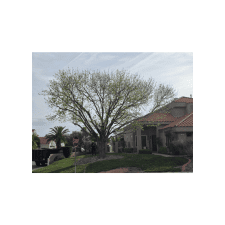
Tree trimming Las Vegas homeowners and property managers can count on. Superior Tree Service LV provides professional tree trimming, selective tree pruning, branch removal, roof clearance, canopy maintenance, deadwood removal, and cleanup throughout the Las Vegas Valley.
Good tree trimming is not about cutting off the largest amount possible. The goal is to solve the actual problem — whether that means clearing branches away from a roof, removing damaged limbs, improving structure, opening access, reducing unwanted weight, or improving the appearance of an overgrown tree — while keeping the remaining canopy as balanced and functional as conditions allow.
If you need tree trimming in Las Vegas, Henderson, Summerlin, North Las Vegas, Enterprise, Inspirada, or a nearby community, call Superior Tree Service LV at Call (702) 970-1333 or request a free tree trimming estimate.
Tree trimming and pruning can describe several different types of work. Some customers want branches cleared away from a roof or driveway. Others have dead or broken limbs, an overgrown canopy, storm damage, heavy growth over a pool, or a mature shade tree that has become difficult to manage.
Our tree trimming service can include:
The terms tree trimming and tree pruning are often used interchangeably, but they can describe slightly different goals.
Tree trimming commonly refers to managing clearance, size, overgrowth, appearance, and branches that interfere with a property.
Tree pruning is generally more selective. Individual branches are removed because they are dead, damaged, poorly positioned, crossing, structurally undesirable, interfering with another part of the tree, or creating a specific clearance problem.
Many real tree-care projects involve both. A homeowner may want roof clearance while the tree also needs several dead branches removed and selected limbs reduced to improve the overall canopy.
The important part is not what the service is called. The important part is understanding why each branch is being removed and what the tree should look like when the work is finished.
Trees do not need to be cut simply because time has passed. Tree pruning should have a reason.
Common reasons Las Vegas property owners request tree trimming include safety concerns, dead or broken branches, clearance from structures, access problems, storm damage, excessive weight in specific limbs, structural improvement, and appearance.
Dead branches no longer contribute to the living canopy. Cracked, broken, hanging, or partially detached limbs may also become a concern depending on their size and what is located underneath them.
Removing problem branches can be especially important when they extend above houses, driveways, sidewalks, pools, vehicles, patios, play areas, or frequently used parts of the property.
Tree branches can grow onto roofs, gutters, walls, windows, patios, and other parts of a home. Wind can cause branches to repeatedly rub against nearby surfaces, while accumulated leaves and debris may become another maintenance problem.
Proper roof clearance should create useful separation without unnecessarily stripping one entire side of the tree.
Low limbs may interfere with driveways, sidewalks, gates, parking areas, pedestrians, landscape maintenance, signage, lighting, or visibility.
Selective canopy raising can provide useful clearance while retaining enough lower and interior structure to keep the tree appropriately balanced.
Overhanging trees may repeatedly drop leaves, seeds, twigs, flowers, fruit, or broken branches into pools and outdoor living areas.
Selective pruning can reduce specific conflicts, although no pruning method can permanently prevent a living tree from producing future growth or natural debris.
Large trees often extend across fences and property boundaries as they mature. If limbs are growing toward a neighboring roof, wall, driveway, pool, or landscape, the location and structure of those limbs should be considered before cuts are made.
Simply cutting everything straight back to the property line may not always produce the best result for the remaining tree.
Las Vegas yards can make tree work surprisingly technical.
Mature trees often grow between homes, block walls, swimming pools, patios, driveways, desert landscaping, artificial turf, neighboring properties, irrigation systems, and narrow side-yard access.
That means trimming is not only about deciding which branches should come off. The crew also has to determine how those branches will safely reach the ground.
Large limbs over roofs, walls, pools, landscaping, vehicles, or other targets may need to be cut into smaller pieces, supported, redirected, or lowered with ropes instead of simply dropped.
This is where our experience with climbing, rigging, controlled lowering, and technical tree work becomes especially useful.
Deadwood pruning removes dead branches from the canopy. The amount and size of deadwood being addressed should be discussed before the job so the customer and crew agree on the scope.
Structural pruning focuses on improving how branches are arranged within a tree. This can be particularly valuable on younger trees where early decisions may influence how major limbs develop as the tree matures.
Canopy raising removes selected lower branches to create additional clearance beneath the tree for vehicles, walkways, buildings, gates, landscape maintenance, or visibility.
Too much lower growth should not automatically be removed simply to create an artificially high canopy. The amount removed depends on the tree and the desired clearance.
Reduction pruning selectively shortens branches back to appropriate lateral branches rather than simply cutting every limb at an arbitrary height.
Reduction may be useful when a specific part of a canopy needs additional clearance or when selected limbs have become too long or heavy for their location.
Clearance pruning focuses on conflicts between branches and surrounding property, including roofs, walls, windows, pools, driveways, sidewalks, signs, lighting, gates, neighboring structures, and other landscape features.
Wind can crack, split, tear, or partially detach limbs. After a wind event, pruning may involve removing damaged branches and evaluating whether the remaining structure can reasonably stay in place.
If the damage involves the main trunk, major root movement, severe splitting, or extensive structural failure, tree removal may need to be considered instead.
A tree can survive a surprising amount of cutting, but surviving a cut does not automatically mean the cut was good for the tree.
Severe, indiscriminate cutting can remove large amounts of functioning canopy and may lead to rapid regrowth, poor branch attachments, unnecessary wounds, decay, and an unnatural appearance.
We generally favor selective cuts made for a specific reason instead of automatically removing the entire top of a healthy tree.
Tree topping typically means drastically cutting major limbs or the upper canopy back to stubs without following the tree’s natural branch structure.
It is sometimes requested because someone wants a tall tree made dramatically shorter. However, topping can create aggressive new shoots from the remaining stubs and may leave the tree with weaker future structure.
When height or spread genuinely needs to be reduced, selective reduction pruning may be a better option depending on the tree.
Tree trimming cost in Las Vegas varies significantly from tree to tree. Two trees that appear similar from the street can require very different amounts of labor once access, branch size, structures, climbing, rigging, and cleanup are considered.
Tree trimming prices commonly depend on:
A smaller tree in an open front yard may be relatively straightforward. A tree of similar size hanging over a roof and swimming pool may require substantially more control and labor.
For the most useful estimate, send clear photographs showing the entire tree, trunk, branches you are concerned about, surrounding structures, and access into the property.
Request a free tree trimming estimate or call (702) 970-1333.
There is no single month that is automatically the best time to prune every tree in Las Vegas.
The appropriate timing depends on the tree species, age, health, objective of the pruning, flowering or fruiting cycle, recent stress, and the type of branches being removed.
Dead, broken, hanging, or immediately problematic limbs may need attention when the problem is discovered rather than waiting for a particular season.
Routine structural or corrective pruning can sometimes be timed around a tree’s normal growth cycle. Fruit trees, flowering trees, desert-adapted species, pines, olives, mesquite, ash, mulberry, and other trees do not all respond exactly the same way to pruning.
Heavy unnecessary pruning during periods of extreme heat or other major stress should be considered carefully. The goal is to solve the problem without removing more living canopy than the tree and situation reasonably require.
There is no universal schedule such as “every year” that fits every tree.
A young tree being structurally trained may benefit from more frequent light pruning. A mature tree with good clearance and little deadwood may need much less frequent work. Fast-growing trees near structures may require attention sooner than slower-growing trees in open landscapes.
Instead of trimming automatically because a calendar date has arrived, look for a reason:
Southern Nevada landscapes contain a wide variety of trees, and different species can require different pruning approaches.
Our tree trimming work may include mature shade trees and ornamental trees such as:
The tree species is only one part of the decision. Its age, condition, previous pruning, location, defects, irrigation, exposure, and the customer’s goal also influence what work makes sense.
Mesquite trees are common throughout Southern Nevada and can develop long, spreading branches that provide valuable shade but may eventually conflict with roofs, walls, walkways, driveways, neighboring property, or landscape features.
Pruning may focus on deadwood, clearance, selected branch reduction, structural issues, or raising specific portions of the canopy while preserving useful shade.
Mature pines can become large trees with substantial branch weight. Pine pruning may involve dead branch removal, clearance from structures, removal of damaged limbs, or selected corrective work.
Large pines should not automatically be stripped of healthy interior branches simply to make the canopy look thin. The condition and reason for pruning should guide the scope.
Olive trees can produce dense growth and numerous shoots depending on the variety and previous maintenance. Pruning may involve selected canopy cleaning, clearance, removal of unwanted shoots, structural improvement, and management of growth around the property.
Fruit-tree pruning can have different goals from ordinary shade-tree trimming. Structure, fruit production, tree size, sunlight, species, and time of year can all influence the work.
If fruit production is the primary goal, tell us when requesting the estimate so the objective is clear before pruning begins.
A common reason customers search for a tree trimming service in Las Vegas is because branches are already touching or approaching a house.
Roof clearance should account for both the existing branch position and how the remaining limb is likely to continue growing.
Depending on the tree, completely stripping every limb from one side can create a worse result than selectively shortening or removing the branches responsible for the conflict.
Trees surrounding swimming pools create unique maintenance concerns. Leaves, seeds, flowers, twigs, and broken branches may repeatedly enter the water or surrounding deck area.
Selective pruning can improve specific clearance and reduce problematic growth, but customers should understand that a living tree will continue producing some natural debris.
Branches over pools may also require controlled cutting because there may be no appropriate area directly underneath them for large pieces to fall.
Block walls are common throughout Las Vegas residential properties and often sit directly underneath mature canopies.
Branches may also extend over property lines, neighboring structures, fences, sheds, patios, or vehicles. These obstacles influence both which branches are addressed and how removed material reaches the ground.
Las Vegas wind events can expose existing weaknesses or create new broken branches. A damaged branch may remain partially attached long after the wind has passed.
After significant wind, look from the ground for obvious broken limbs, hanging branches, fresh cracks, split unions, or major changes in the canopy.
Do not stand underneath a visibly damaged branch to inspect it more closely.
Trees growing near energized electrical lines require different precautions from ordinary residential tree trimming.
NV Energy maintains vegetation around its high-voltage power lines and power corridors. Work close to energized conductors may require utility coordination or specially qualified line-clearance personnel.
If your tree is growing directly into or very close to electrical distribution lines, tell us before scheduling ordinary tree trimming.
For utility-managed vegetation questions, visit the NV Energy Tree Trimming FAQ.
Not every problem tree needs to be removed.
If the tree is generally viable and the concern is roof clearance, low branches, deadwood, overgrowth, weight in selected limbs, storm damage limited to part of the canopy, or appearance, pruning may solve the problem while preserving the tree.
Removal may become more appropriate when the tree is dead, severely compromised, has major structural failure, has permanently outgrown its location, or creates a property conflict that realistic pruning cannot solve.
If removal might be the better option, visit our Tree Removal Las Vegas page to learn how we evaluate difficult, dead, leaning, and technical tree removals.
We want to understand why you called. Is the issue roof clearance? Dead branches? Pool debris? A low canopy? Storm damage? An overgrown tree? A neighbor concern?
We look at the tree, branch structure, work area, nearby structures, access, and what must be protected underneath the canopy.
The estimate should make clear what portions of the tree are being addressed and what cleanup or haul-away is included.
Branches are removed according to the agreed scope. When necessary, larger pieces may be controlled or lowered instead of dropped freely.
Normal trimming debris is collected and handled according to the agreed job scope. Cleanup matters because a properly trimmed tree should not leave the homeowner with an entire second project on the ground.
Often, photos can help us understand the project before an onsite visit.
For the most useful review, send:
Large, complicated, hazardous, or difficult-access projects may still require an onsite estimate.
Residential tree trimming often means working around homes, pools, block walls, driveways, artificial turf, patios, landscape lighting, vehicles, neighboring properties, and narrow access.
Whether you have one mature shade tree or several trees throughout the property, we can evaluate the work as one complete project.
Superior Tree Service LV also provides tree trimming estimates for commercial and managed properties throughout the Las Vegas Valley.
Projects may include:
Commercial trimming may involve clearance over parking areas, walkways, buildings, signs, lighting, entrances, tenant areas, and other high-use portions of the property.
Superior Tree Service LV provides professional tree trimming and pruning throughout Las Vegas and surrounding communities, including:
If you are searching for tree trimming in Henderson, tree trimming in North Las Vegas, or tree trimmers in Las Vegas, send your address or ZIP code when requesting an estimate so we can confirm scheduling for your property.
Tree trimming happens directly above the things customers care about: their homes, vehicles, pools, landscaping, walls, businesses, and neighboring property.
Our approach is simple: understand the problem, agree on what is being cut, control branches around the property, complete the work efficiently, and clean up when the job is finished.
For real customer experiences with our tree work, visit our Superior Tree Service LV Reviews.
Tree trimming prices depend on tree height, canopy size, branch weight, the amount of trimming requested, access, proximity to structures, climbing or rigging requirements, number of trees, and cleanup volume. The most accurate price comes from evaluating the actual tree and property.
Tree trimming commonly describes clearance, size management, and appearance. Pruning is generally more selective and focuses on individual dead, damaged, poorly positioned, structurally undesirable, or interfering branches. Many projects involve both.
The best timing depends on the species, condition, objective, and growth cycle. Dead, broken, or hazardous branches may need attention when discovered, while routine pruning can sometimes be timed around dormancy, flowering, fruiting, or periods of active growth depending on the tree.
There is no schedule that fits every tree. Young trees, fast-growing trees, mature shade trees, fruit trees, and trees growing beside structures can all require different maintenance intervals. Trim when there is a clear pruning objective rather than automatically removing branches every year.
Yes. Roof and structure clearance is a common tree trimming request. We consider the location of the branch, remaining tree structure, desired clearance, and surrounding property before deciding where cuts should be made.
Yes, depending on the tree and property. Branches over pools may require controlled cutting because the pool and deck reduce the usable drop zone underneath the canopy.
Potentially. Property boundaries, branch structure, access, and the amount of pruning requested should be considered before work begins. Cutting everything straight back to a property line is not automatically the best pruning approach for every tree.
Yes. Deadwood removal is a common pruning service. The estimate should clarify the approximate size or portion of deadwood being addressed so the expected scope is clear.
We generally favor selective pruning and reduction rather than indiscriminately cutting the top of a healthy tree back to stubs. Severe topping can cause rapid regrowth and poor future branch structure.
Sometimes selected branches can be reduced, but how much height can reasonably be removed depends on the tree’s structure, species, condition, and the reason for reducing it. Permanently keeping a naturally large tree extremely small through repeated severe cutting may not be realistic.
Pruning can remove identified dead, damaged, broken, or problematic branches, but no tree service can guarantee that a living tree will never lose another branch in the future. Trees remain biological structures affected by growth, wind, weather, defects, and changing conditions.
Often, yes. Send clear pictures of the complete tree, trunk, branches of concern, surrounding structures, and access. Some large or complicated trees may still need an onsite evaluation.
Cleanup and haul-away can be included in the agreed work scope. Confirm what debris removal is included when reviewing your estimate.
We can evaluate fruit-tree pruning requests. Tell us if fruit production, tree size, structure, or clearance is your main objective because the purpose of the pruning can change the recommended approach.
Trees near energized electrical conductors require special consideration and may need NV Energy or appropriately qualified line-clearance personnel. Tell us about overhead electrical lines before scheduling ordinary tree work.
Sometimes. If the main concern is dead branches, clearance, excessive branch length, limited storm damage, or a manageable structural issue, pruning may solve the problem without removing the entire tree. Severely compromised trees may still require removal.
Yes. We provide estimates for residential, commercial, HOA, rental, apartment, office, retail, and other managed properties throughout the Las Vegas Valley.
Palm pruning is different from trimming broad-canopy shade trees. If your project involves Mexican fan palms, date palms, queen palms, seed pods, dead fronds, palm skinning, or palm cleanup, visit our Palm Tree Trimming Las Vegas page.
Pruning can solve many problems, but it cannot repair every tree.
If a tree is dead, severely declining, heavily damaged, structurally compromised, uprooting, or permanently incompatible with the property, removal may be the more practical option.
Learn more about Tree Removal in Las Vegas, or contact us and explain what concerns you about the tree.
Branches over your roof? Dead limbs? Overgrown shade tree? Need clearance around a pool, driveway, wall, or neighboring property?
Contact Superior Tree Service LV for professional tree trimming and pruning throughout the Las Vegas Valley.
Call or text: (702) 970-1333